
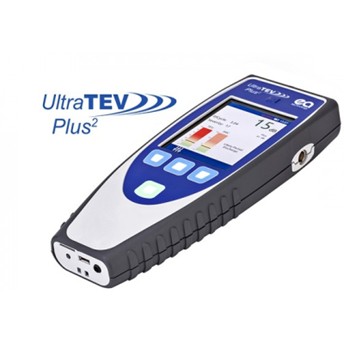
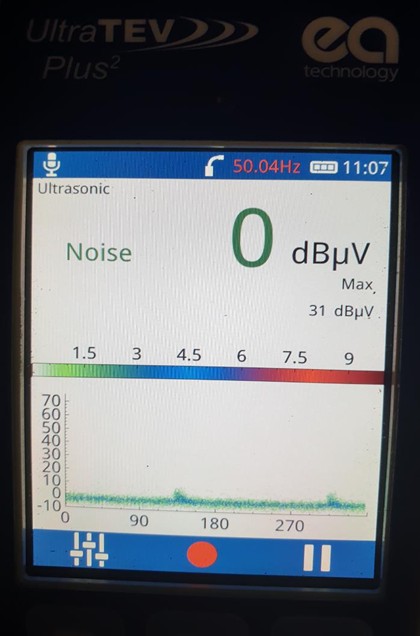
Partial Discharge scanning is a preventative maintenance technique used to detect insulation breakdown or electrical discharge activity inside high-voltage equipment before a major failure occurs. It helps identify hidden faults in transformers, switchgear and cables —reducing the risk of unplanned outages.
PD scanning is commonly used on:
Transformers
Medium and High Voltage switchgear
MV/LV cable terminations and joints
Busbars and outdoor substations
Rotating machines and generators
Any high-voltage asset where insulation reliability is critical can benefit from PD assessment.
PD scanning involves:
Using ultrasonic, UHF or TEV sensors to pick up discharge signals
Non-invasive inspection—usually while equipment is still energised
Data analysis to determine PD severity, type, and location
Reporting findings with recommendations for corrective action
Common indicators include:
Crackling or hissing sound detected during ultrasonic scanning
Localized heating or corona activity
Electrical noise or spikes in PD monitoring readings
Insulation stress marks or carbon tracking
If left untreated, these can escalate into arc faults or catastrophic equipment failure.
For critical high-voltage infrastructure, annual PD scanning is recommended, with more frequent checks (every 6 months) for aged, heavily loaded, or high-risk equipment.
Development Choice by www.websitedesign.co.za and Hosted Selected www.websitehosting.co.za